
Is moderate drinking good for your health? The answer might surprise you: No amount of alcohol is truly healthy. A groundbreaking new study published in JAMA analyzed data from over 4.8 million people and found that even low-level drinking doesn't provide the health benefits we've been told about. In fact, women who drank moderately faced higher risks of premature death compared to non-drinkers.We've all heard that glass of red wine is good for your heart, right? Well, I'm here to tell you that's one of the biggest health myths out there. The truth is, alcohol - at any level - stresses your body more than it helps. But don't worry, we'll walk you through what this means for your daily habits and give you practical tips to make healthier choices without feeling like you're missing out.
E.g. :Hidden Heart Disease: 46% of Adults Have Silent Risk for Heart Attacks
- 1、Rethinking the "Healthy" Glass of Wine
- 2、The Sobering Truth About "Just One Drink"
- 3、What This Means For You
- 4、The Future of Alcohol Research
- 5、The Hidden Costs of That "Healthy" Habit
- 6、Alternative Ways to Unwind
- 7、The Physical Benefits You'll Notice Quickly
- 8、Changing Your Relationship With Alcohol
- 9、FAQs
Rethinking the "Healthy" Glass of Wine
The Myth We've All Believed
You know that feeling when you pour yourself a glass of red wine after a long day, telling yourself it's actually good for your heart? Yeah, about that... A massive new study just shattered that comforting belief. Researchers analyzed data from 107 studies involving over 4.8 million people, and guess what? That nightly drink isn't doing you any favors.
Dr. Paul Linde, a psychiatry expert, puts it perfectly: "This research gives us the facts we need to have real conversations about alcohol." And here's the kicker - women who drank even moderate amounts faced higher risks of dying early. Not exactly the health boost we were promised, right?
Why Did We Think Drinking Was Healthy?
Let's play detective for a second. How did this myth start? Previous studies showed moderate drinkers seemed healthier than non-drinkers. But here's the plot twist - those "non-drinkers" often included former heavy drinkers who quit because of health problems! Talk about skewed data.
| Old Belief | New Reality |
|---|---|
| 1 drink/day = heart benefits | No mortality benefit at any level |
| Red wine = antioxidants | Alcohol cancels out any benefits |
| Moderate drinking = safe | Women face increased risks |
The Sobering Truth About "Just One Drink"
 Photos provided by pixabay
Your Body on Alcohol (The Unvarnished Version)
Ever wonder why alcohol makes you feel warm and fuzzy? It's literally poisoning your system. Your liver works overtime to break it down, and over time, this takes a toll. The study found that even small amounts:
- Increase cancer risks
- Damage brain cells (yes, that "tipsy" feeling is brain damage)
- Strain your heart instead of helping it
Dr. Collins, a substance abuse specialist, doesn't mince words: "We've been fooling ourselves thinking alcohol has health benefits." And here's something that might surprise you - when people report their drinking, they typically underestimate by half. So that "couple drinks a week" might actually be four or five.
Women Face Higher Risks - Here's Why
Ladies, we need to talk. Alcohol affects women differently because:
1. We generally weigh less
2. Our bodies contain less water to dilute alcohol
3. We metabolize alcohol slower
The study showed women drinking "moderate" amounts still faced higher mortality risks than men. And get this - the definition of "moderate" (1 drink/day for women) might be too generous. Maybe it's time to rethink that book club wine tradition?
What This Means For You
The Honest Conversation We Need to Have
Here's a question that might make you uncomfortable: Why do we celebrate with poison? Think about it - we pop champagne at weddings, toast with whiskey at celebrations, and unwind with beer after work. The study authors hope their work sparks better research, especially for high-risk groups like young people and those with HIV.
Dr. Linde shares an interesting perspective: "I'd love to see how cancer risks change when someone goes from six drinks to two." Because here's the thing - while quitting completely might seem daunting, any reduction helps. Your future self will thank you.
 Photos provided by pixabay
Your Body on Alcohol (The Unvarnished Version)
You don't need to become a teetotaler overnight (unless you want to!). Try these small changes:
- Swap every other drink for sparkling water with lime
- Use smaller glasses (trick your brain!)
- Discover the growing world of craft non-alcoholic beers and cocktails
Remember that study about moderate drinkers having slower cognitive decline? Turns out those benefits probably came from other lifestyle factors. The sobering truth? The healthiest amount of alcohol is none. But if you do drink, being honest about how much is the first step to making better choices.
The Future of Alcohol Research
What Scientists Still Need to Figure Out
Here's something that might surprise you: most alcohol studies only check drinking habits at specific times. But alcohol affects everyone differently based on:
- Genetics
- Overall health
- Drinking patterns over a lifetime
That's why researchers want future studies to track drinking habits continuously. As Dr. Collins points out, "I'd love to see data on 12-25 year olds." Because the earlier we understand these risks, the better choices young people can make.
A New Approach to Drinking Culture
Let's be real - telling people "just stop drinking" doesn't work. The study authors emphasize harm reduction - helping people drink less rather than demanding complete abstinence. After all, going from six drinks to three is still progress!
So next time you're tempted by that "healthy" glass of wine, remember this study. Your body doesn't need alcohol to be healthy - in fact, it's better off without it. And who knows? You might discover you enjoy social events more when you're fully present, not buzzed.
The Hidden Costs of That "Healthy" Habit
 Photos provided by pixabay
Your Body on Alcohol (The Unvarnished Version)
Ever stopped to calculate how much you're actually spending on alcohol each month? Let me tell you, it adds up faster than you'd think. That $15 bottle of wine three times a week? That's $180 a month disappearing from your budget. And if you're into craft cocktails at bars, we're talking hundreds more.
Here's an eye-opening comparison - the average American spends about $565 annually on alcohol. That's enough for a nice weekend getaway or several months of gym membership! What could you do with that extra cash? Maybe start that side hustle you've been dreaming about, or finally take that cooking class. The opportunities are endless when you're not pouring your money down the drain - literally.
The Social Pressure to Drink
Why does everyone act like you've grown a second head when you say "no thanks" to a drink? The peer pressure is real, folks. From work happy hours to family gatherings, alcohol has become the default social lubricant in our culture.
But here's something interesting - have you noticed how many people actually admire those who don't drink? They might tease you at first, but secretly wish they had your willpower. Next time you're at a party, try being the designated storyteller instead of the drinker. You'll remember the conversations better, and so will everyone else!
Alternative Ways to Unwind
Stress Relief That Actually Works
If you're using alcohol to relax after a tough day, I've got news for you - it's actually making your stress worse in the long run. Alcohol disrupts your sleep cycle and leaves you more anxious the next day. Talk about a vicious cycle!
Here are some actually effective ways to decompress:- A 20-minute walk outside (nature is the original chill pill)- Journaling for 10 minutes (get those thoughts out of your head)- Deep breathing exercises (free and available anywhere)- Dancing to your favorite song (instant mood booster)
These alternatives don't come with hangovers, empty calories, or regrets. Plus, you'll wake up feeling refreshed instead of foggy. Now that's what I call self-care!
The Mocktail Revolution
Guess what's trending? Fancy non-alcoholic drinks that actually taste good! The global mocktail market is booming, with options ranging from alcohol-free spirits to craft sodas that make you feel just as fancy as a cocktail.
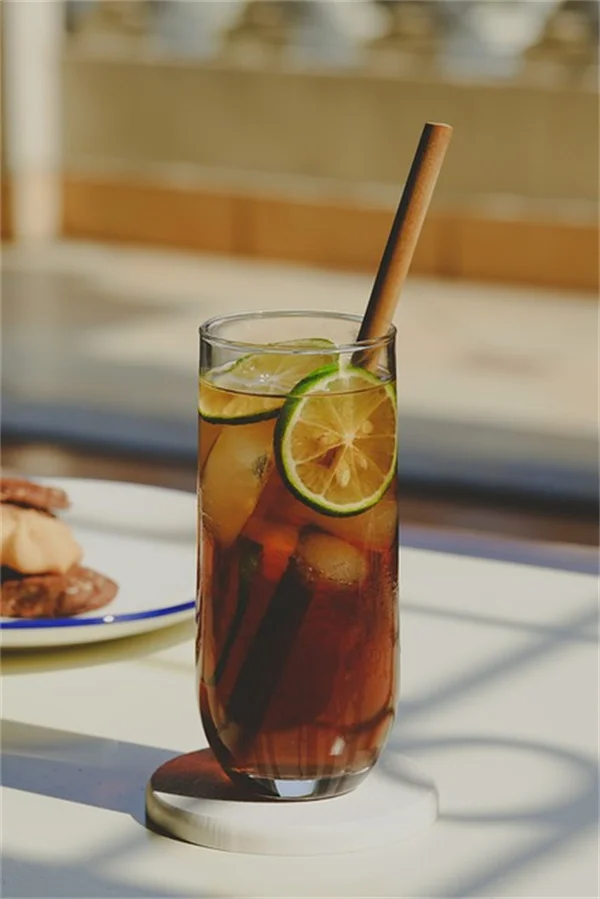
Some of my personal favorites:1. Sparkling water with muddled berries and mint2. Ginger beer with lime (the spicy kick satisfies like alcohol)3. Cold brew coffee tonic (for that sophisticated bitter edge)
Bars and restaurants are catching on too - many now offer elaborate mocktail menus. You can enjoy the ritual of "having a drink" without the negative effects. Who says you need alcohol to feel grown-up?
The Physical Benefits You'll Notice Quickly
Hello, Clear Skin!
Did you know alcohol dehydrates you and causes inflammation? That means more puffiness, redness, and breakouts. Cut back or quit, and you might see improvements in your complexion within just one week.
Other quick wins:- Better sleep quality (alcohol disrupts REM cycles)- More consistent energy levels (no more 3pm crashes)- Fewer headaches (dehydration is a common trigger)- Healthier hair (alcohol depletes vital nutrients)
Your body starts repairing itself almost immediately when you reduce alcohol. Isn't it amazing what our bodies can do when we stop working against them?
The Weight Loss Secret No One Talks About
Alcohol is sneaky - it's not just the calories in the drinks themselves. It's also the late-night pizza cravings, the skipped workouts because you're tired, and the metabolism slowdown. Many people report losing 5-10 pounds within a month or two of cutting back, without making other changes.
Let's break down the numbers for a typical weekend:
| Drinking Weekend | Sober Weekend |
|---|---|
| 3 craft beers (450 calories) | Sparkling waters (0 calories) |
| Late-night tacos (800 calories) | Normal dinner (600 calories) |
| Skipped Sunday run | Morning hike |
See how quickly it adds up? And that's just one weekend! Imagine the cumulative effect over months.
Changing Your Relationship With Alcohol
The 30-Day Experiment That Could Change Everything
Here's a challenge for you: try going alcohol-free for just one month. Not forever - just 30 days. Why? Because it gives you enough time to notice the benefits without feeling like you're giving something up permanently.
You'll likely discover:- How much better you sleep- How much more productive your mornings are- How many social situations don't actually require alcohol- How much money you're saving
Most importantly, you'll prove to yourself that you're in control. After the month, you can decide what role (if any) alcohol should have in your life. Knowledge is power!
Building a Support System
Going against the grain isn't easy, but you're not alone. There are thriving communities of people rethinking their drinking habits. From online forums to local meetups, support is everywhere if you look for it.
Some great resources:- The "One Year No Beer" challenge- Sober curious groups on social media- Alcohol-free events in major cities- Books like "This Naked Mind"
Remember, every person who chooses to drink less helps normalize the choice for others. You might inspire someone without even realizing it!
E.g. :About Moderate Alcohol Use | Alcohol Use | CDC
FAQs
Q: How much alcohol is actually safe to drink?
A: Here's the hard truth - there's no completely safe amount of alcohol. The new study shows that even moderate drinking (1 drink/day for women, 2 for men) carries health risks. Your liver processes alcohol as a toxin, and over time, this takes a toll. We used to think moderate drinking was okay, but the latest research proves otherwise. If you're concerned about your health, the best approach is to either quit completely or significantly reduce your intake. Remember, every drink you skip is a win for your body!
Q: Why do women face higher risks from alcohol?
A: Great question! Women's bodies process alcohol differently in three key ways. First, we typically weigh less than men. Second, our bodies contain less water to dilute the alcohol. Third, we metabolize alcohol slower. This means the same amount of alcohol hits women harder and stays in our systems longer. The study found these biological differences put women at greater risk for alcohol-related health problems, even at what's considered "moderate" drinking levels.
Q: What about red wine's heart benefits?
A: Let's bust this myth once and for all! While red wine does contain antioxidants like resveratrol, the alcohol cancels out any potential benefits. You'd need to drink dangerous amounts to get meaningful antioxidant effects. The study confirms that the supposed heart benefits of moderate drinking were likely due to other lifestyle factors among drinkers, not the alcohol itself. If you want heart-healthy antioxidants, you're better off eating grapes or drinking grape juice!
Q: How accurate are people's reports of their drinking?
A: Most people dramatically underestimate how much they drink - often by half! As Dr. Linde notes, clinicians have a saying: "Take whatever number of drinks a patient reports and multiply by two." This underreporting skews research and makes it harder to see alcohol's true effects. That "couple drinks a week" you report might actually be four or five. Being brutally honest with yourself (and your doctor) about your drinking is the first step toward making healthier choices.
Q: Should I quit drinking completely?
A: While quitting is the healthiest choice, we understand that's not realistic for everyone. The study emphasizes harm reduction - any reduction in drinking helps. Try simple swaps like alternating alcoholic drinks with sparkling water, using smaller glasses, or exploring non-alcoholic alternatives. Remember, going from six drinks to three is still progress! The key is being mindful of your consumption and making intentional choices rather than following drinking habits automatically.